#128- Hearts of Darkness: A Filmmaker’s Apocalypse

Quick a recap: This is the ‘making of’ documentary about Apocalypse Now, the movie where everything that could go wrong, did go wrong.
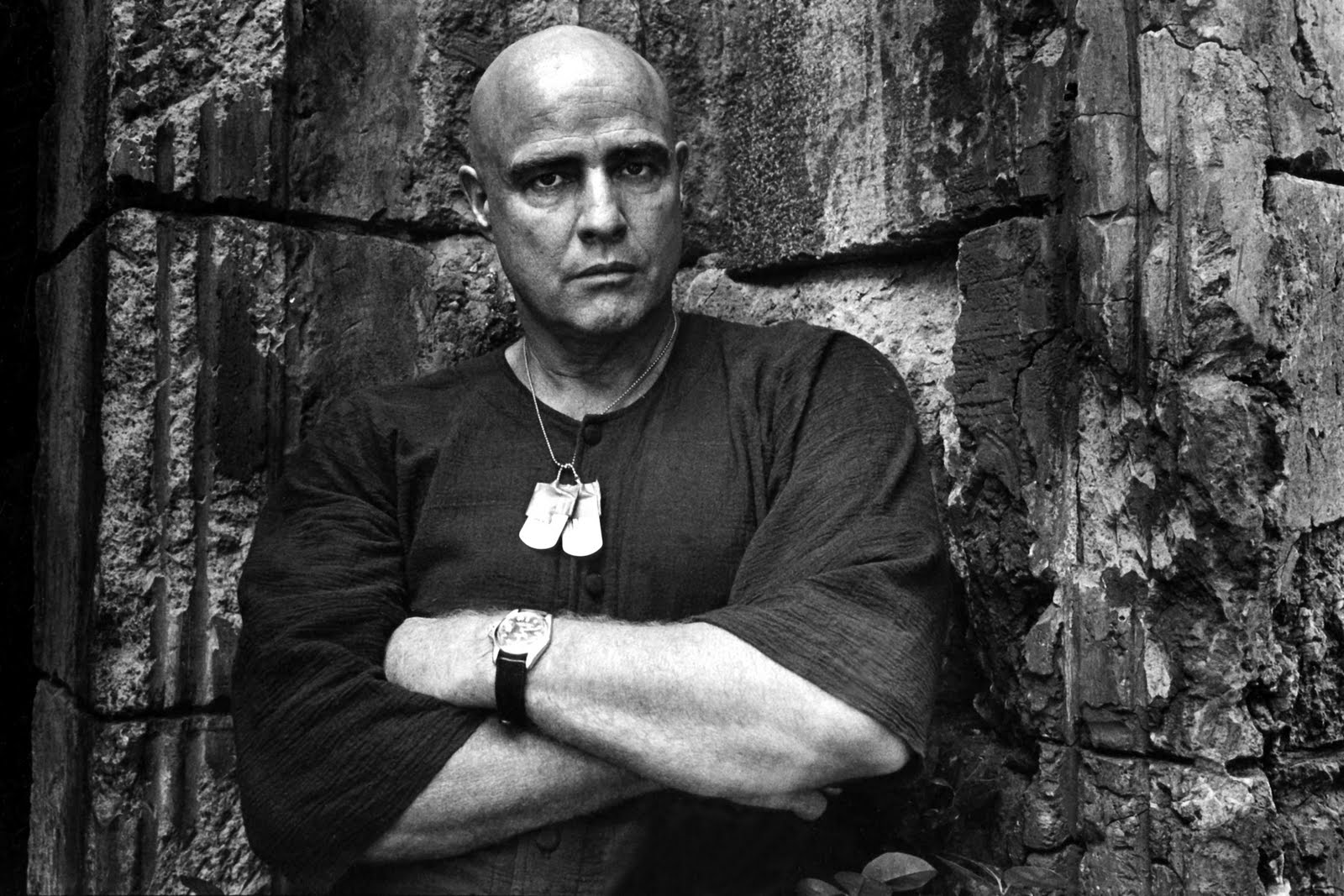
Annex - Brando, Marlon (Apocalypse Now)_12

Fun (?) fact: It’s really difficult to find ‘fun facts’ about a movie that is basically ‘fun facts’. So instead, here is a fact about Francis Ford Coppola: George Lucas has said he based the character Han Solo off of him.
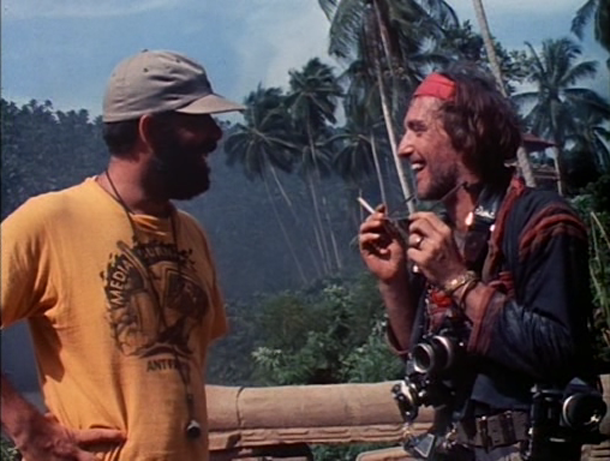
directing Dennis Hopper would probably have driven me to the brink of insanity more so than any other issue the film had

directing Dennis Hopper would probably have driven me to the brink of insanity more so than any other issue the film had

My thoughts: After watching a movie on this list the very first thing I do is head to IMDb and Wikipedia for trivia. Most of the time I’m greeted with subpar information about who might’ve been cast in a lead role or who didn’t get along, but then sometimes I land on a goldmine like Apocalypse Now. I don’t know if I could call it the biggest disaster in movie making, but it was pretty bad: shooting in the Philippines during a civil conflict, a typhoon, Martin Sheen’s near fatal heart attack, going way over budget, everything Marlin Brando…..and the list goes on. The distinction this movie has over other disasters, though,  is that it continued to plug along and what was finally released to the public is one of the best movies ever made.

Which makes me wonder how this documentary would be viewed had Apocalypse Now been a bomb. Part of the joy of watching this was seeing all the chaos and knowing that in the end a masterpiece would be created. I loved watching the process of how it all came together and it gave me more appreciation for the director knowing all the fires that must be put out daily between the actors, production crew and even the setting. At the same time, watching Coppola talk about his plan for how the movie would play out, one has to wonder how anything less than a disaster was to be expected. This isn’t some romantic comedy starring Reese Witherspoon; this is a war movie, with the full war experience and big themes woven all through each scene. Knowing this side of the story makes me love the end result even more.

My drawback to this documentary is a big one: I didn’t find it all that interesting over all. I learned nothing new about how the movie came to be, although I was deeply interested watching Coppola and his methods. I blame the internet for this one more so than the movie. Had I seen Hearts of Darkness in 1995, let’s say, it would’ve been shocking to find out everything that happened. As it stands now, all I have to do is read an article on Wikipedia and I’m good to go. What’s left is a compelling enough story about a director and the lengths that he must go through, but not compelling enough for me to enjoy myself very much.

heartsofdarkness

Final review: 3/5. As a personal preference, I’m not a huge fan of ‘making of’ documentaries to begin with.

Up next: Gimme Shelter
#122- Cinema Paradiso

Quick recap: A film maker recounts his life as a young boy in 1950’s Italy when he fell in love with movies.  

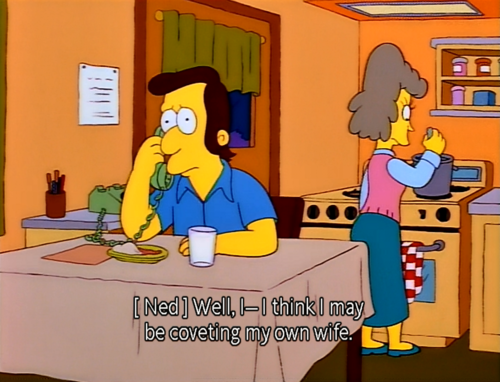
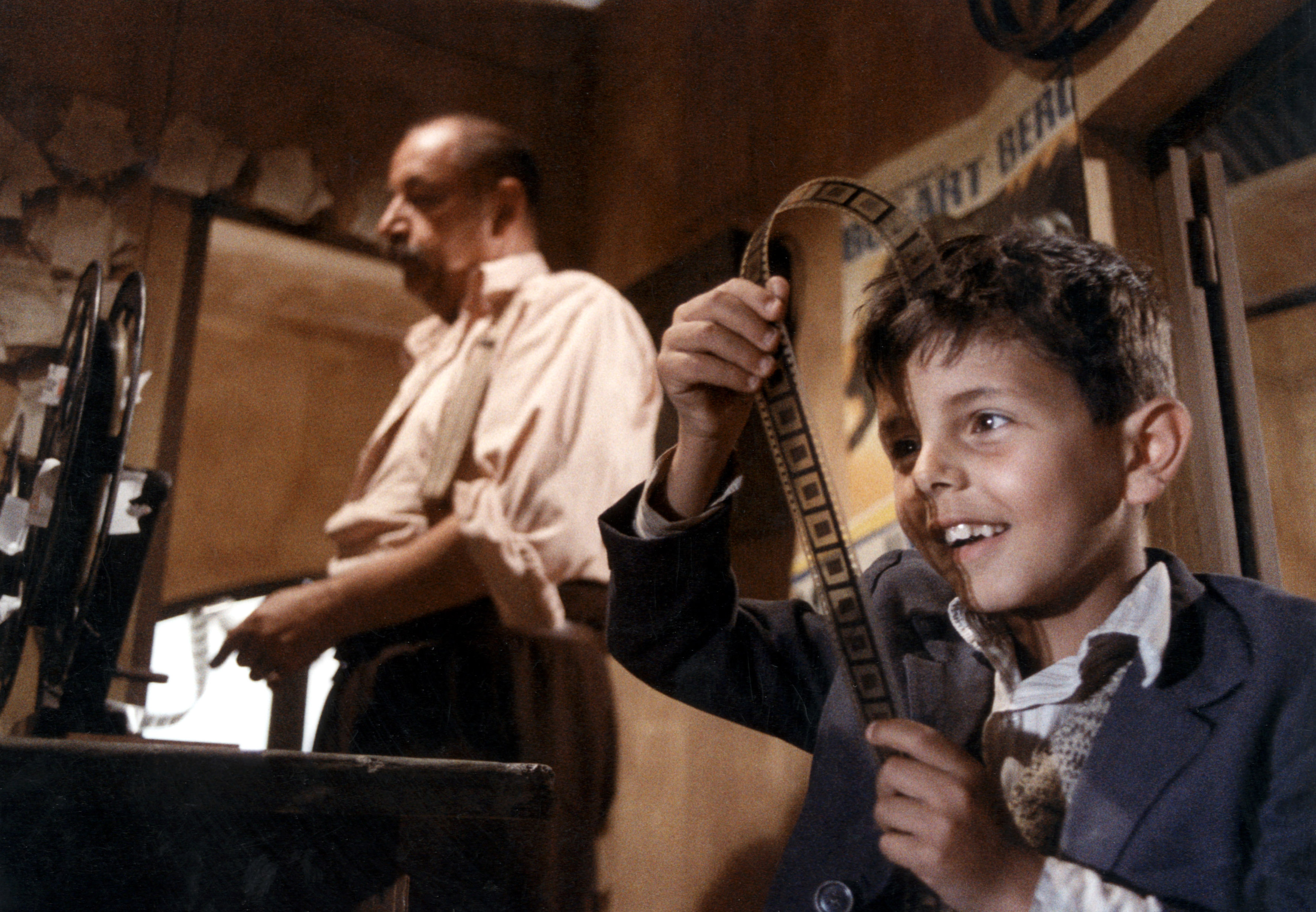
specifically, Toto fell in love with the dirty scenes his mentor Alfredo took out of the film

specifically, Toto fell in love with the dirty scenes his mentor Alfredo took out of the film

Fun (?) fact: Filmmaker Giuseppe Tornatore meant for Cinema Paradiso to be an obituary for movie theaters as a whole but when his movie was successful he quietly dropped that idea.

My thoughts: My feelings on Cinema Paradiso have been difficult to put into words because my thoughts are all over the place. I enjoyed the movie very much and might even recommend it to someone looking for something different to watch. But was it a ‘good’ movie? When I die, am I going to look back and say, ‘thank god I had the privilege of seeing this movie’? To the second question first, probably not. To the first, well- that’s the hang up.

I want to like this movie. It’s right up my alley- foreign, not well known, quality acting, an interesting plot. On paper, I should be raving about how this movie changed my life and yet here I am. The problem lies in that Cinema Paradiso is really two films. I watched the much edited version streaming on Netflix, but the original is almost 3 hours long. Maybe that would’ve changed my mind by watching the full thing ,because the pacing seems really off. The first half of the movie is about Toto as a boy, finding a true friend in film projectionist  Alfredo. It’s unbearably sweet how the two interact and help each other out. I especially connected with the concept that movies are magical and bring people together. It reminded me of watching random classic films on tv as a kid. I never really understood what was going on, but it felt important and something that should be respected. When the Cinema Paradiso burns down, Alfredo is caught inside and Toto saves his life. By this point, I was completely hooked.

And then, in one of my least favorite movie tropes, Alfredo (who has been blinded by the fire) is feeling young Toto’s face. The camera moves toward him and then when it goes back to Toto, he has magically turned into a teenager. Yuck. Teenage Toto isn’t nearly as interesting as super adorable kid Toto. He has become very sweet and quiet, not the hellraiser I was used to in the beginning. And he’s in love, of course. The rest of the movie revolves around him trying to get the girl while Alfredo has taken on a ‘wise sage’ role. He convinces Toto to walk away from his job as a projectionist, move to Rome, and never come back. And so he does, which includes dropping the girl he has loved. It isn’t until 30 years later, following Alfredo’s death, that he returns to his old town. Sure, he’s a big shot filmmaker now, but he doesn’t seem all that happy with his life. I think the director was trying to show that following your dreams means making sacrifices but besides the career, he doesn’t seem too successful.

The one redeeming scene comes at the very end of the movie, as Toto sits in a private movie theater and finally watches all the pieces of film Alfredo had cut out for being too ‘obscene’. It’s basically just a supercut of people making out, which is a little weird, but also sweet. This scene didn’t make up for the second half of the movie, but it helped a little.

Final review: 3/5. That was a hard one.

Up next: Dead Man

#109- Winter Light

Quick recap: Everybody is sad. Super sad, you guys.

No one has ever had it worse than me. Am I right, Jesus?

No one has ever had it worse than me. Am I right, Jesus?

Fun (?) fact: Director Ingmar Bergman’s favorite film from his career. He says that Winter Light was the most personal for him and helped him realize who he was during the filming. Which makes this movie even more sad.

Seriously, just Google this movie and you will see that all of the images are of the characters being sad.

Seriously, just Google this movie and you will see that all of the images are of the characters being sad.

My thoughts: I keep using ‘sad’ as a descriptor for the mood of Winter Light, but I really should be using words like ‘depressing’ , ‘existential’ and ‘I hope I have enough beers to make it through this movie’. In all fairness, I do normally enjoy movies that don’t end happily because such is life. But this movie was sad from the very beginning. I mean, it is called Winter Light, which is the perfectly depressing name for a movie.

Visually, the movie is beautiful. The use of black and white was the perfect choice for such a dreary film, and although they made me uncomfortable, I liked the close ups. It made the mood all the more depressing, but that was the point of the film so you might as well drive it home, you know? Especially impressive was the 6 minute shot of Tomas reading Marta’s letter. It is simply her looking right at the camera, and speaking the contents of the letter.

The story itself, of a priest going through an existential crisis is understandably a heavy subject. I get the feeling that Bergman didn’t create Winter Light (which is actually part of a series) as a date night movie, or something to make out to. Although I’m sure that there are plenty of people out there who would be into that sort of thing. Moving on. The plot is pretty straightforward and I don’t think it is any surprise that when the priest, Tomas, is unable to successfully counsel Jonas, Jonas kills himself. Like I said, if you are going for bleak, might as well go full force. Although this was a short movie, it is one that should be taken in small doses or at least through several sittings to truly grasp all that is going on. Not me, of course, but you guys go ahead and knock yourselves out.

now there's a priest with a true existential crisis

now there’s a priest with a true existential crisis

I don’t think it’s possible to have a ‘favorite part’ because it’s just not that sort of movie, but I was extremely interested in the discussion of Christ at the end of the movie. Algot, one of the members of the church, counsels Tomas after he has renounced his faith and brings up the point that everyone focuses on the physical suffering of Jesus. He goes on to say that instead, people should look at all the betrayals that He suffered including praying to God while He was near death, and not getting a response. Algot ends with the opinion that God’s Silence is worse than anything else. Like I said, heavy stuff.

Final review: 3/5. Wouldn’t watch again, but if you are looking for your own existential crisis (come on, who isn’t these days?), then this is the movie for you.

Up next: If….

#107- Stalker

Quick recap: A guide takes two desperate men into a dangerous place called The Zone, which grants your innermost wish.

Where dreams come true!

Where dreams come true!

Fun (?) fact: Supposedly, 3 members of the crew died from chemical contamination while shooting this movie in Estonia.

My thoughts: Not only is this movie in Russian, but it is over 2 1/2 hours long which means I wasn’t jumping for joy at the prospect of watching Stalker. Nonetheless, I threw on my pajamas, poured a drink and settled in. And you know what, you guys? It wasn’t that bad. I think I’ve finally realized that many of the movies I fear watching turn out to be the most interesting and the ones I get excited about let me down in some way. Especially Psycho which I am still in recovery from my disappointment.

The colorization (I’m sure that’s not the technical term) of the film is what stands out the most for me. The beginning of the movie up until the men entering The Zone has a sepia tone to it, much like the beginning of The Wizard of Oz. The Zone is gorgeous, in a ‘zombies from a nuclear disaster are about to eat my face’ way. Throughout the film, as The Stalker reminisces about something or recites a poem, the color shifts back into the sepia tone. It was a great use of symbolism to contrast the real world with that of dreams.

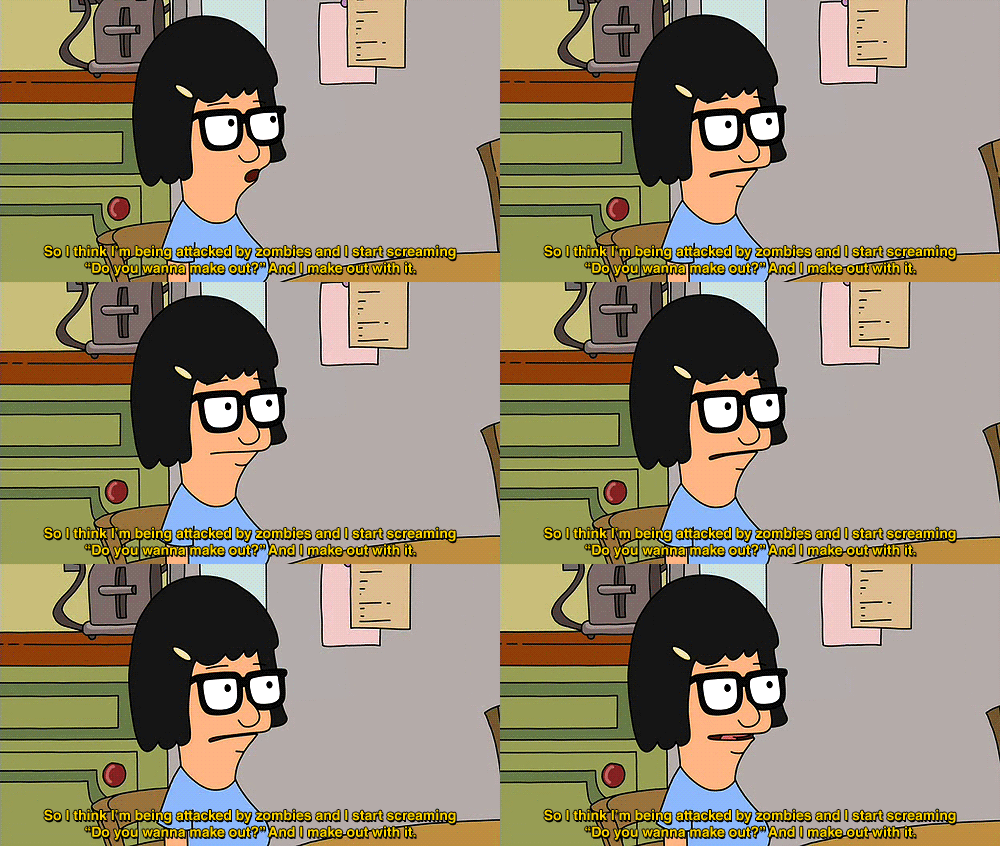
There's also that

There’s also that

While the Stalker takes The Writer and The Professor to The Room (side note: I really appreciate these names because it would be too difficult to keep up with all the Russian names), he mentions a previous stalker who went by the name ‘Porcupine’. Porcupine eventually took his own brother to The Zone but then let him die. When porcupine entered the room he begged for his brother back but when he got home he was instead made filthy rich. A week later, he hanged himself. As the Stalker points out, The Room only grants your innermost wish, not your conscious one. I thought this was a novel take on the ‘wishes’ trope and also a pretty good commentary about the minds of people.

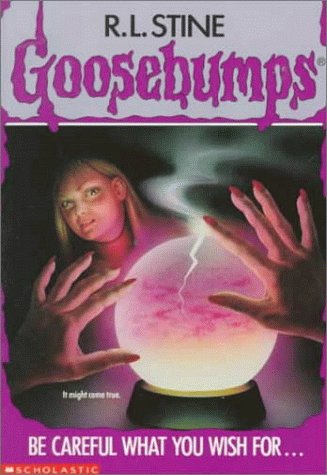
My husband found out before I watched the movie that Stalker was loosely used as inspiration for the video game S.T.A.L.K.E.R. It makes sense because of the Zone being fraught with danger. None of the traps are visible and may not even be real, but there are certainly some spooky things that happened that made the movie a little disconcerting at times, like when the men finally get to The Room and a random phone starts ringing or the various military equipment scattered about from a failed invasion. In the end, after trekking through this dangerous place, the men end up not entering The Room after all as they learn to be careful what you wish for (which I too learned back in 4th grade from reading a Goosebumps book).

goosebumps

Final review: 3/5. Interesting, but not worth sitting through again. Overall, the movie was too heavy with philosophical dialogue but if you are just itching to watch something like that, you might enjoy it.

Up next: Sergeant York