#77- The Postman Always Rings Twice

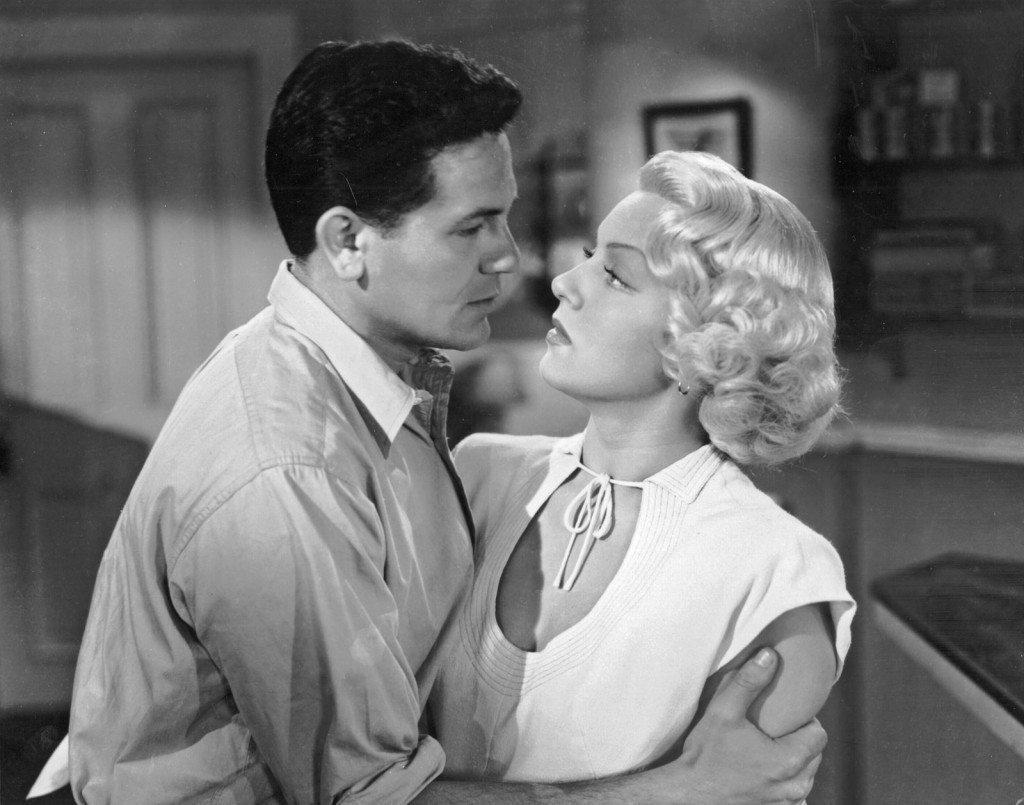
Quick recap: Frank Chambers is a drifter who comes to work for Nick and his wife Cora at a roadside diner. Immediately, Frank starts making out with Cora any chance he can get because that’s just what you did back then. She in turn falls in love and together they hatch a plan to kill off Nick so that they can live happily ever after. Although it turns out to be harder than either expected, Frank and Cora are ultimately successful. Unfortunately, they have been closely watched by the District Attorney and are charged with murder. Then, a million twists happen and Frank is sent to the gas chamber.
post9-1024x805

Fun (?) fact: Audiences freaked out while watching this movie once they realized the character of Frank used his tongue at one point when kissing Cora. The horror!

My thoughts:  Ever since I stopped spoiling myself about a movie by reading up on it beforehand, I’ve had to get creative with my predictions. Sad to say, I was WAY off on this one. My husband had already told me it was a crime movie, but I was betting on some back door arrangement, like a postal worker secretly working for the mob or something. In other news, I think I’ve created a plot for the next great blockbuster.

So, The Postman Always Rings Twice falls under the noir genre, which, after looking up the term on Wikipedia, encompasses A LOT of films. It seems as if even experts can’t agree on what constitutes as film noir, although there are some similar characteristics. For example, this movie revolves around the crime of murdering an innocent man in the name of love. Noir films also include convoluted plot lines, which this film delivers perfectly. After Frank and Cora have been accused of murder, the next few scenes are a big mess of plot twists. Frank signs a paper stating he had nothing to do with the murder, only to find out it had been a trick by the DA to get Cora to confess. But then Cora’s lawyer knew what she would do and put one of his guys in charge of taking the confession so that she wouldn’t give one to the DA. He also has her plead guilty but then, at the beginning of the trial gets the DA to drop charges because he really has no evidence. There was much more that happened after that, but I was too confused to keep up.
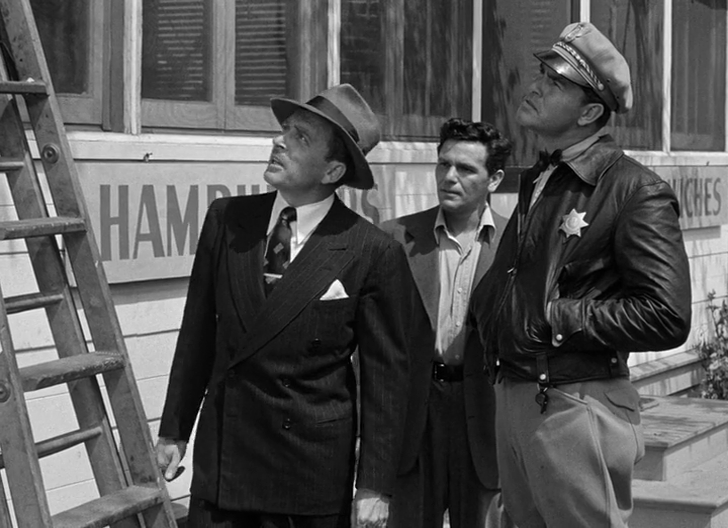
There was also a couple of weird scenes with this policeman, who loved cats- not that I know anyone like that.

There was also a couple of weird scenes with this policeman, who loved cats.

Another characteristic of a noir film is a bleak ending. After Frank and Cora eventually get married (only because they were threatened with jail for shacking up together), Cora finds out she is having a baby. The two were at each other’s throat since the trial but with this news, decide that they do truly love each other. On the way back from a celebratory trip to the beach, Frank accidentally crashes his car and kills Cora. He is immediately arrested for her murder and sentenced to death. It turns out that the entire movie has been one long flashback and he is telling his story to a priest right before his execution. It is revealed that the DA knew he didn’t murder Cora on purpose but later found evidence indicting him for the murder of Nick so he might as well be executed anyway. That’s not how the law works, but whatever.

In looking at reviews of the film, I found it interesting how many people referred to Cora as the evil one, when in my opinion, that title belongs to Frank. He was the one that seduced her and also the one to first bring up the idea of killing Nick. When Cora’s mother falls ill, Frank drops her off at the train station and then immediately hops in the car with a random woman and drives off to Mexico for a week. Cora isn’t blameless by any means and I loved the decision to dress her in all white to really bring out her darker side. Lana Turner did a wonderful job portraying this character and although I don’t know much about her film career, it seems this was one of her best roles.
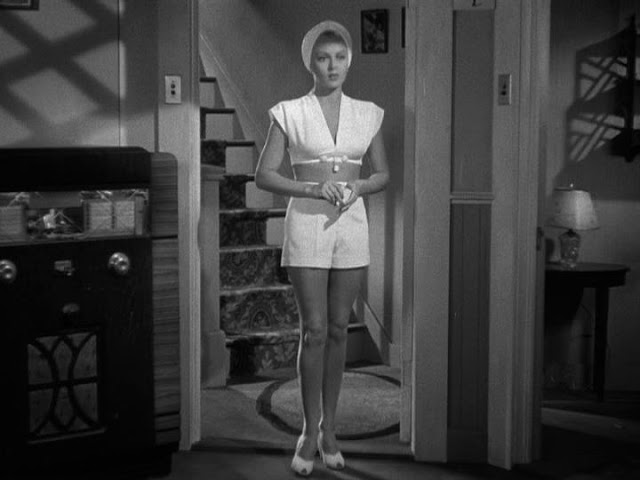
Shorts

Final review: 3/5, but just barely. The plot was too convoluted and I really didn’t care for John Garfield, who played Frank. His acting was too stiff and unbelievable. In the end, the film kept me entertained enough so it gets a decent rating.

Up next: The Dead, or possibly Casablanca 
#72- Kramer vs. Kramer

Quick recap: Joanna Kramer, unhappy in her marriage, chooses to leave her son and husband to find herself. Her husband, a workaholic, is left with the full responsibility of a child. He slowly builds up a new life for him and his son until Joanna comes back into the picture and sues for custody.

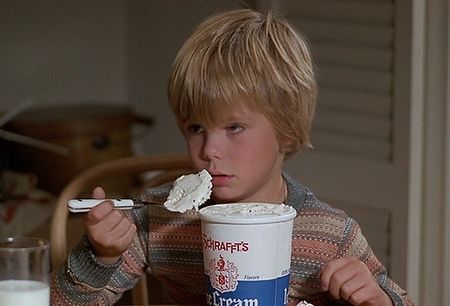
Fun(?) fact: The ice cream scene between Billy and his father was completely improvised, but the director loved it so much he kept it in the film.

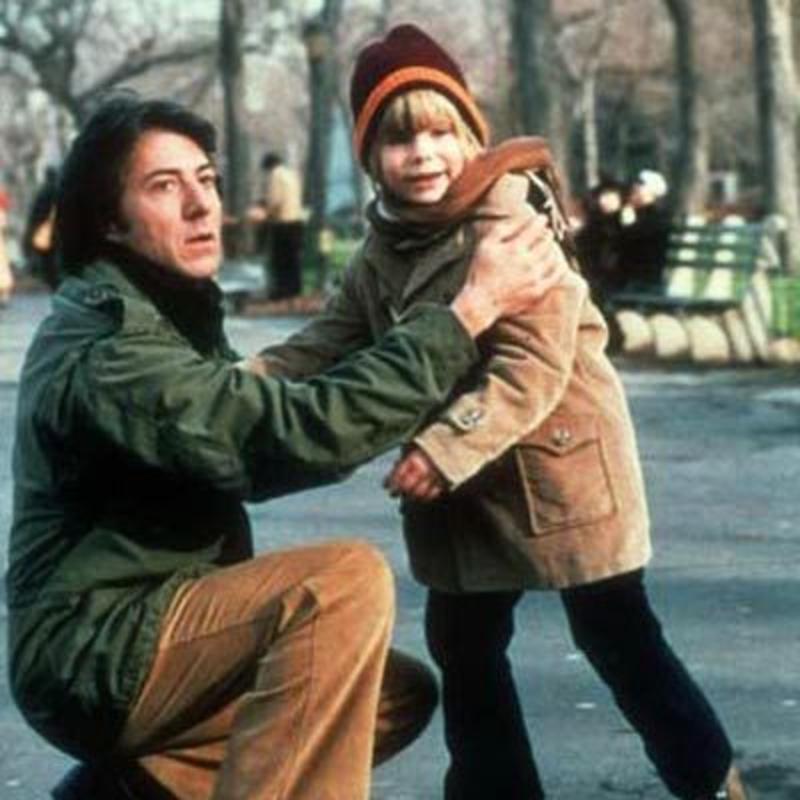
500fullMy thoughts: A few years ago, I decided to try and watch all Academy award winners. Kramer vs. Kramer was first on my list and I remember enjoying it but not really identifying with it. Fast forward 4 years and I am married with a 4 year old boy. It was interesting to find myself almost unable to watch some scenes because now I was identifying with it too much. I understood the perspective of the father, the mother and even the kid. It would’ve been easy to leave it at that: a sad, but realistic portrayal of divorce. But the more I thought about, the more complicated everything was.

kramer_vs._kramer_1_hoffmanSo first of all, there is the character of Ted Kramer. Before I go any further, I need to point out how realistic all the performances were. Although the subject is an emotional one, all of the characters showed enough restraint so the audience could identify but not feel awkward. As for Ted Kramer, his character is the typical father seen during that time period. He devotes his time to his work and that is his way to show he loves his family. It is also the reason his wife leaves him. I really enjoyed watching the transformation as Kramer learned to care for his son, and it was especially evident when comparing the first time the two make French toast together  to the last time. As was portrayed in the movie, Kramer wasn’t a ‘bad husband’: no abuse or neglect. But he also wasn’t very sympathetic towards his wife’s needs. Kramer spends the entire movie angry at his ex-wife and it isn’t until the very last scene that I believe he sees her as a real person, not just the mother of his child.

I didn’t pay much attention to the character of Joanna Kramer the first time around, but found her much more fascinating and complicated this time. It’s very easy to cast her off as the villain in the film, seeing as how she willingly left her child to take care of herself. It seems such a cold thing to do and an open and shut case as to who should get Billy. I guess I am speaking as someone who lives in 2014, but I think the health of the mother is just as vital to a child as physically being there. Joanna was depressed and could no longer handle motherhood. She had no other job and it didn’t seem many friends, so her main source of conversation came from a 6 year old. There are many women who could do that, no problem. But there are many more who are still good mothers, yet need the balance and the chance to do something for themselves. In this case, it took Joanna leaving for her to get back on track. It might also have been the best solution for her to gain some sanity. I disagree with her fighting custody, but that was also the norm of the tim- for the mother to have primary custody. The final scene was heart wrenching, as Joanna understood where Billy really belonged. In the best interest of the child, Billy needed both parents. Joanna made the decision to leave, but that doesn’t mean she ever stopped loving her child and wanting him.

Final review: 3/5. Almost a 4, but I felt the courtroom scene to be a little silly. When the lawyer grilled Ted about losing his job because he missed a deadline, he was trying to show that he couldn’t be relied on. But the reason he missed the deadline was to take care of his son, therefore proving that he put his child before anything else.

Up next: Mr. Deeds Goes to Town


#71- Cleo from 5 to 7

Quick recap: Cleo, a French singer, must wait on the results of a biopsy. She is supposed to call the hospital in the evening so the entire film happens from 5 pm to 7 pm, as she ponders life and her fate.

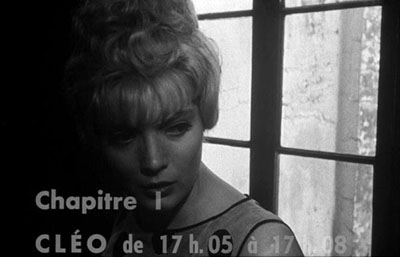
It took me almost the entire movie to realize the numbers were the time

It took me almost the entire movie to realize the numbers were the time

Fun (?) fact: There isn’t much fact-wise about this film, probably because not much happens. The only mildly interesting thing I could find is that ‘Cleo from 5 to 7’ is considered a French Wave film, which I can pretend to have an opinion about now.

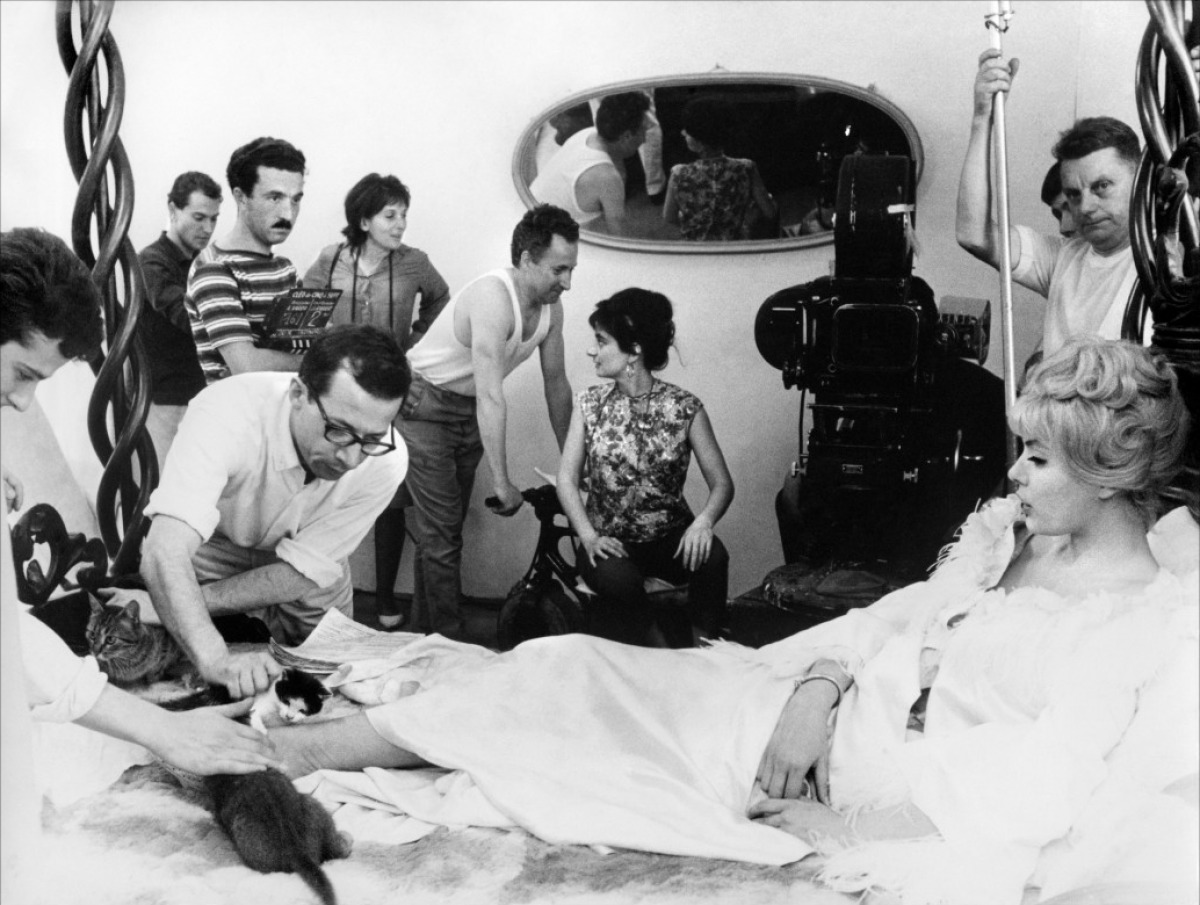
The random kittens were a nice touch

The random kittens were a nice touch

My thoughts: I realize I don’t have much to go on, seeing as how I have only seen 3 French films, but the ones I have seen are….different. I am well aware that ‘French’ isn’t a genre, but from Amélie to Murmur of the Heart to this movie, there is a connecting thread of Frenchness. That’s not a bad thing, because I find it amusing to finally understand what pop culture has been alluding to this whole time.

The concept of filming in ‘real time’, as Cleo waits for the results of her test is interesting, but also kind of boring because nothing happens. Most of the movie is just watching her be sad with her friend, sad at her house, sad with her managers, sad at a café and even sad at the park. I get the point, that this is an existential movie where nothing is supposed to happen, but that doesn’t make it any less boring. Once in awhile, when Cleo was gazing sadly at nothing in particular, she would do a voice over and say something profound. But for the most part, there was just a lot of looking sad. My favorite was in the café when she put her own song to play on the jukebox and then watched sadly as no one paid attention to it.

less sadness. More random kittens.

less sadness. More random kittens.

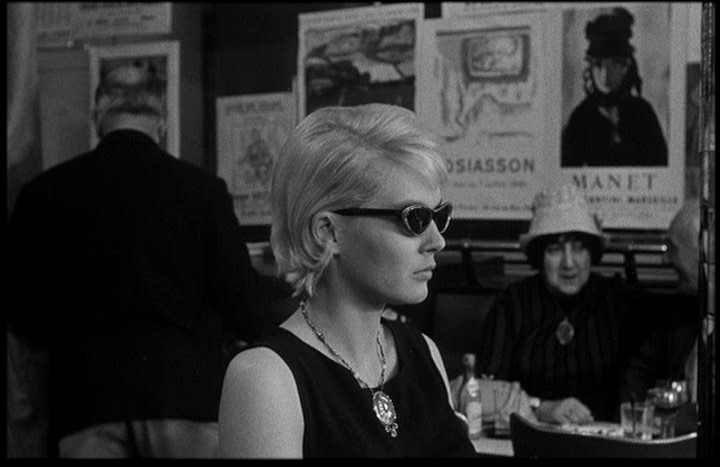
It would be unfair of me to pretend that I despised this movie because really, there were some enjoyable parts. I most identified with Cleo’s transformation from ‘baby doll’ to actual woman by the end of the film. Once she took off that ridiculous wig and donned her black dress, she become 50% less insufferable. Her conversation with the soldier was also really nice. I daresay he was my favorite part of the film because he was just so likeable and was able to draw a real discussion out of Cleo. Although there wasn’t much of a plot, I felt the ending when the diagnosis was confirmed was the best way to go. She takes the news stoically and then confides to the soldier that now she is happy. Considering the soldier was shipping off to war that night, the fact that both of them had uncertain futures was especially poignant.

Final review: 3/5. I didn’t hate it. I was amused by the silent film that played in the middle of this movie. It was funny and also very French, as it should be.

I thought I was watching a Wes Anderson film during the opening credits

I thought I was watching a Wes Anderson film during the opening credits

Up next: Kramer vs. Kramer


#63- Woman in the Dunes

Quick recap: A schoolteacher explores the dunes, looking for a rare insect. Realizing he has missed his bus for the night, some villagers offer to help find him a place to sleep. They send him down into a dune with a widow, whose job is to shovel sand for a company. The next morning, the schoolteacher realizes he is trapped. With no way out, he begins to bond with the woman and eventually they fall in love.

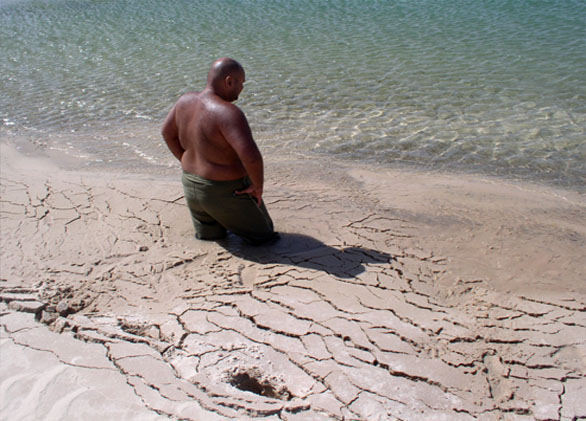
obligatory 'tie her up because she lured me in here' dance before falling in love

obligatory ‘tie her up because she lured me in here’ dance before falling in love

Fun(?) Fact: Quicksand isn’t really all that deadly. Most of the time, it runs just a few feet deep and if you make slow movements, you’ll end up floating to the top and be just fine. I don’t know why, but I always assumed quicksand would be an obstacle in my life at some point and now I’m a little disappointed that it wasn’t the enemy I feared. 😦

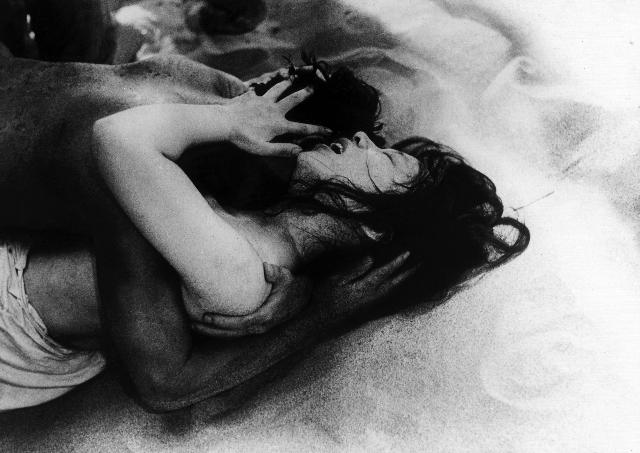
bonus fun fact! Apparently there is a fetish for people getting stuck in quicksand. Thanks, Google images!

bonus fun fact! Apparently there is a fetish for people getting stuck in quicksand. Thanks, Google images!

My thoughts:  When people gush to me about their love of foreign films, what they usually mean is Amélie. Which is fine, and I totally get it because it is a sweet movie, after all. But then I have the experience of watching an unexpected foreign film and I wonder why it isn’t getting the same recognition as all the others we ‘love’. Woman in the Dunes is a weird movie, but not so weird that it couldn’t be embraced by all the foreign film aficionados. In fact, if I had to come up with a tagline for this movie, it would be, ‘It’s not El Topo‘. Clear and concise, just the way it should be.

One of the thoughts that struck me throughout the movie was that I could never get a handle on what genre I was actually watching. This was the first time I chose to forgo research before sitting down to watch something and I must say that it increased my affection for the movie just a little bit more because everything is unexpected. The beginning of Woman in the Dunes would make for great horror film fodder: A young man, unaware of his situation, is lured into the dunes where there is no escape. The sand almost becomes a monster, a living thing. It is its own life force. And there is no escaping it. In fact, the widow must shovel daily, not just because it is her job, but also because if she didn’t the sand would bury her house within a couple of days, with her along with it. But it was also horror as the man realized he was just as trapped as his insects were, after catching them. This is his life now.

At some point, the mood changed and the plot centered more on the romance than the Sisyphus lifestyle. Earlier the sand had frightened me, but now it was being used for sexual tension. One of the aspects of living in a dune is that water is not readily available and when it is, it must be rationed. Therefore, when bath day rolls around, it is a big deal. The scenes with the schoolteacher and widow bathing each other were pretty hot and made me wonder if I had a future in writing sand dune related erotic novels. But then I also thought of a certain scene in the desert from El Topo, and the thought was gone. I guess it makes sense that love would blossom, seeing as literally the only other activity is shoveling sand.

woman-in-the-dunes

And then finally, after an escape attempt where the schoolteacher falls into quicksand, he is resigned to his fate. One day, he stumbles across an idea to pump water from underground so that it will be available at all times. When his lover is taken away due to an ectopic pregnancy, he even has a chance to escape. Instead of doing so, the schoolteacher climbs out of the dune to look at the ocean, and then puts himself right back where he was so that he can continue his project. It was a very depressing ending, although I suppose there are several ways to take it. My opinion is that there are aspects of life that seem like you may be trapped, and you very well might be, but there is always something interesting that you can throw yourself into and focus on.

Final review: 3/5. Very interesting concept, but there were some slow moving parts and it seemed like there was one disaster after another, which lost my interest a few times.

Up next: I actually haven’t a clue. I’m open to suggestions!