#122- Cinema Paradiso

Quick recap: A film maker recounts his life as a young boy in 1950’s Italy when he fell in love with movies.  
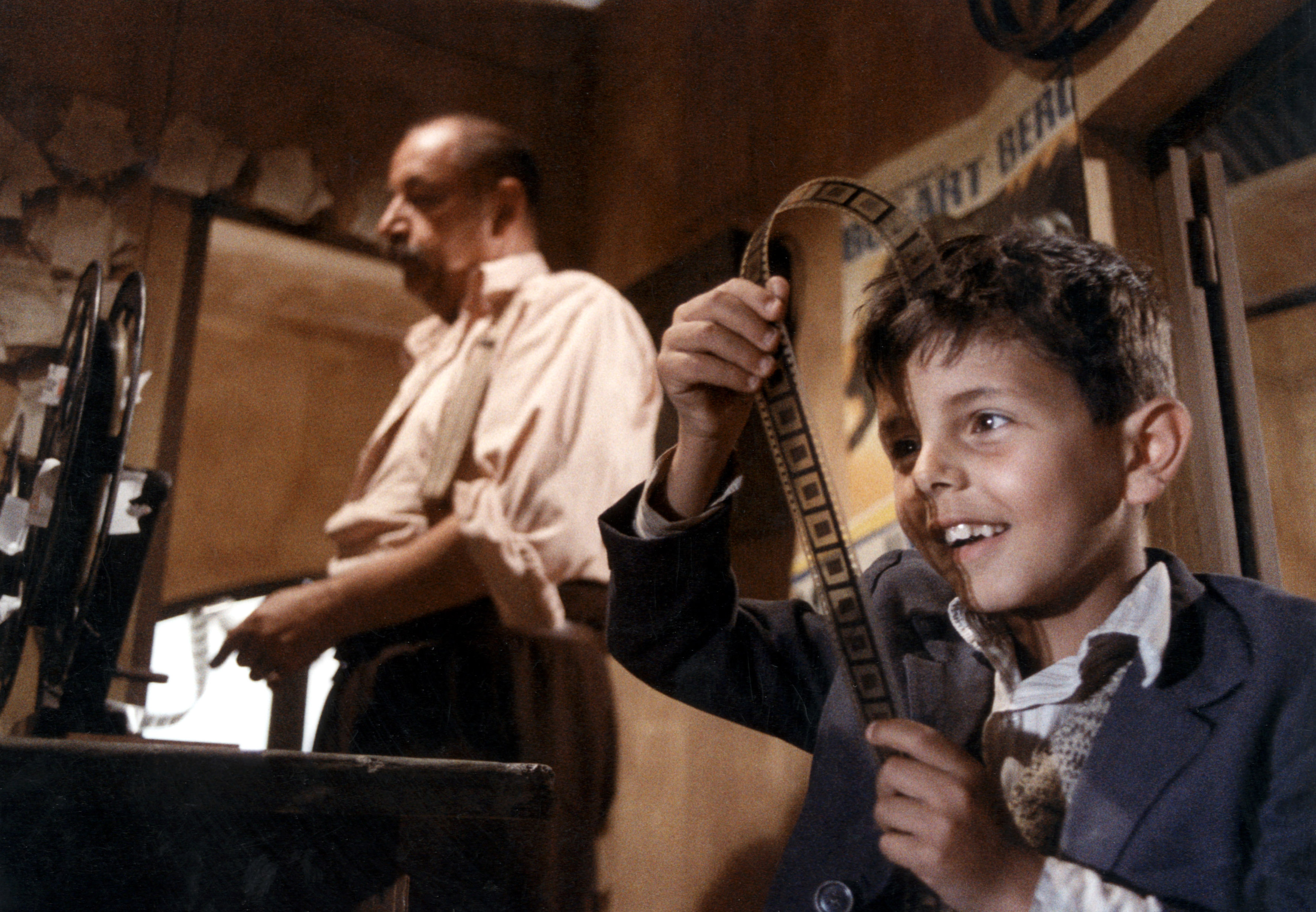
specifically, Toto fell in love with the dirty scenes his mentor Alfredo took out of the film

specifically, Toto fell in love with the dirty scenes his mentor Alfredo took out of the film

Fun (?) fact: Filmmaker Giuseppe Tornatore meant for Cinema Paradiso to be an obituary for movie theaters as a whole but when his movie was successful he quietly dropped that idea.

My thoughts: My feelings on Cinema Paradiso have been difficult to put into words because my thoughts are all over the place. I enjoyed the movie very much and might even recommend it to someone looking for something different to watch. But was it a ‘good’ movie? When I die, am I going to look back and say, ‘thank god I had the privilege of seeing this movie’? To the second question first, probably not. To the first, well- that’s the hang up.

I want to like this movie. It’s right up my alley- foreign, not well known, quality acting, an interesting plot. On paper, I should be raving about how this movie changed my life and yet here I am. The problem lies in that Cinema Paradiso is really two films. I watched the much edited version streaming on Netflix, but the original is almost 3 hours long. Maybe that would’ve changed my mind by watching the full thing ,because the pacing seems really off. The first half of the movie is about Toto as a boy, finding a true friend in film projectionist  Alfredo. It’s unbearably sweet how the two interact and help each other out. I especially connected with the concept that movies are magical and bring people together. It reminded me of watching random classic films on tv as a kid. I never really understood what was going on, but it felt important and something that should be respected. When the Cinema Paradiso burns down, Alfredo is caught inside and Toto saves his life. By this point, I was completely hooked.

And then, in one of my least favorite movie tropes, Alfredo (who has been blinded by the fire) is feeling young Toto’s face. The camera moves toward him and then when it goes back to Toto, he has magically turned into a teenager. Yuck. Teenage Toto isn’t nearly as interesting as super adorable kid Toto. He has become very sweet and quiet, not the hellraiser I was used to in the beginning. And he’s in love, of course. The rest of the movie revolves around him trying to get the girl while Alfredo has taken on a ‘wise sage’ role. He convinces Toto to walk away from his job as a projectionist, move to Rome, and never come back. And so he does, which includes dropping the girl he has loved. It isn’t until 30 years later, following Alfredo’s death, that he returns to his old town. Sure, he’s a big shot filmmaker now, but he doesn’t seem all that happy with his life. I think the director was trying to show that following your dreams means making sacrifices but besides the career, he doesn’t seem too successful.

The one redeeming scene comes at the very end of the movie, as Toto sits in a private movie theater and finally watches all the pieces of film Alfredo had cut out for being too ‘obscene’. It’s basically just a supercut of people making out, which is a little weird, but also sweet. This scene didn’t make up for the second half of the movie, but it helped a little.

Final review: 3/5. That was a hard one.

Up next: Dead Man

#121- Persona

Quick recap: Netflix told me that this was a story about a nurse who cares for an actress who is unable to speak anymore. The two move to a summer cottage so that the actress can recuperate and in the process, the two women form a bond. Nice try, Netflix, but you aren’t tricking me that easily.

Netflix also neglected to tell me about the giant spider I would have to encounter in the opening.

Netflix also neglected to tell me about the giant spider I would have to encounter in the opening.

Fun (?) fact: The opening sequence features among other things, a cartoon shown upside down, A GIANT SPIDER, a lamb being slaughtered and Jesus crucified. It was all very weird and unsettling to me,but it turns out all the images reference other Ingmar Bergman films.

My thoughts: This is my second Bergman film, which pushes me ever closer to the line of pretentiousness. Not too close however, because I can’t understand a damn thing from either movie without spending a couple of hours researching what the hell I just watched. It makes me feel like I’m back in high school, looking up the meaning of almost every line in a Shakespeare play on Sparknotes and being so proud of myself for finally getting it. And then a minute later regret overcomes me and the whole piece of work has been cheapened just a little.

Just like Winter Light,  I loved how stylized and simple everything is. The film was shot in black in white and the characters also wear dark and light clothing. Watching the two converse (the actress couldn’t talk so it was just the nurse talking) was like watching a play where the focus is on nothing else but the characters. In some ways it made the film easier to identify with but in other ways, it just made everything seem significant. Why was Elisabet perched on that rock? What does that rock stand for? Alma cuts her left wrist, not her right. What could it mean???

The idea of Persona is an interesting one. It certainly drew me in more than Winter Light did. In the beginning of the film Alma is seen as the stronger of the two since Elisabet is unable to speak or do much. As the two become closer at the summer cottage, Alma starts to divulge some dark secrets, including an abortion she had after sex with a couple of underage boys. It’s at this point that Elisabet becomes the sane one. After a night of drinking, Alma observes how much alike she and Elisabet are, which references the title of the film and the idea that we see ourselves in others, but not always in the best way. The most mind blowing scene is when Alma confronts Elisabet about her past and a son that was born after failed abortion attempts. Elisabet’s face becomes more and more pained as Alma continues and then in one shot, it appears as if the women’s faces have merged together.The story could easily be Alma’s.  The realization horrifies her as she can truly see who she is and so Alma is finally able to escape.

url

Final review: 4/5. I can see myself watching this again, this time paying more attention to detail.

Up next: The Burmese Harp

#120- Murder, My Sweet

Quick recap: Detective Philip Marlowe has been hired by an ex-con to find his missing ex girlfriend. Somehow this also turns into a jewelry heist and murder mystery. Always with the murder mysteries, noir films.

murder_2

Fun (?) fact: The film was originally titled Farewell, My Lovely but was changed because audiences thought it was a musical. If anything, I think this speaks more about the advertising department for the film than the initial confusion.

My thoughts: I’ve mentioned my least favorite genres at length as of late, but now I’m glad to talk about a new favorite- the film-noir. I’ve watched a few already and really love how dark they can be, and yet have such a quick wit about them . Murder, My Sweet is no exception. If I had to describe what film-noir was to someone, I would use this movie as a prime example.

The mystery at the heart of the film is a complex one and I’ll admit to still not completely understanding some parts. Not understanding a plot would annoy me in other situations, but it’s all par for the course in this type of genre. I wasn’t able to figure out where the ex-girlfriend was until the very end and I’d like to say it’s because of the intricate plot, but it’s most likely because I’m the worst at solving mysteries. I couldn’t even handle  Encyclopedia Brown as a kid because the stress of solving the puzzle, mixed in with the crushing disappointment of knowing the answer was right in front of me the whole time was too much for a 7 year old to deal with. In a positive light, if I had figured out the ending to Murder, My Sweet I wouldn’t have been as entertained.

I loved Dick Powell as Detective Philip Marlowe. He was fearless when it came to hunting down clues and never lost his cool. I’m not sure detective work is really a good choice for him in the long run however, on account of how easily he blacked out throughout the movie.The scene where he wakes up after being drugged is my favorite because of all the work it took to put the viewer in the perspective of someone who has lost his mind. The camera’s lens was made to look like spider webs had formed in the room, a perfect symbol for that foggy feeling we all feel at some point. Hopefully not because we have been strangled by a dim witted ex-con, but I still get it.

The black pool opened under my feet again, and I dived in

The black pool opened under my feet again, and I dived in

Some favorite tropes I observed in Murder, My Sweet:

  • beach house as a scene of the crime (seriously, I’m staying away from beach houses)
  • making out with all the girls, even the ones who are about to murder you
  • flashbacks!
  • police interrogation at the beginning of the film to launch the story
  • gun mishandling- always a laugh

Final review: 4/5. This one was a lot of fun, but still a little to complex for its own good.

Up next: Persona

#119- Out of Africa

Quick recap: A somewhat biographical story of the Baroness Karen Blixen, who goes to Africa and then later gets ‘out of Africa’. And also falls in love with Robert Redford, because didn’t we all at some point?

Robert Redford can make hair washing look hot

Robert Redford can make hair washing look hot

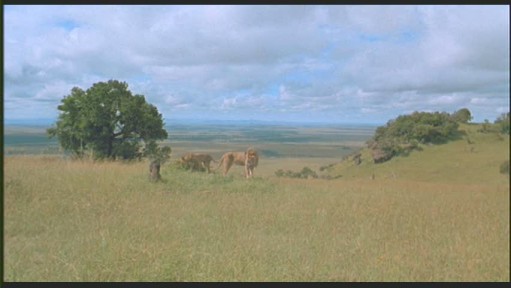
Fun (?) fact: In one scene, Meryl Streep (Blixen) had to fire at a lion. She was promised the lion would be restrained but he was not, so her fear is real. It’s kind of like when I think one of my cats is asleep next to me, only to find out they aren’t and I have left my feet uncovered. It never ends well.

But the lions hung out on Denys' grave at the end of the movie so all was forgiven

But the lions hung out on Denys’ grave at the end of the movie so all was forgiven

My thoughts: For a lady who ran a plantation  all by herself in Africa while surrounded by lions and war, Karen Blixon’s life onscreen is rather dull. If I had to attribute it to one thing, I think the reason the movie didn’t really resonate with me is that it is framed as an ‘epic romance’. I’m not saying that because I don’t really like romance movies, but because the story is about a woman’s life in Africa.I felt that there were many scenes that could’ve been grittier and shown more emotion. There were so many opportunities to show how fierce and strong she was, but instead we see that she struggles until Denys (Robert Redford) strolls up and saves the day and in the end, all that’s really been injured is Blixon’s hair. She also had Syphilis during the movie but I don’t think many people would consider that a fun adventure.

I could go into the offensive colonial mindset that was present throughout the film, but considering that’s how Blixon presented her world  in her writing, I suppose Out of Africa was accurate in that regard. I also liked Denys’ opposing viewpoint that the indigenous tribes were fully formed people who didn’t really need to be civilized. Blixon fought for workers to have their own land and not be split up so I’m glad she realized what was best.

I suppose I am contradicting myself a little bit, but what I loved most about Out of Africa was the gorgeous scenery when Denys and Blixon went on adventures and faced danger. It was beautiful and almost made me want to see the landscape up close. Almost. So while I didn’t find the action all that exciting, the scenery made up for it.

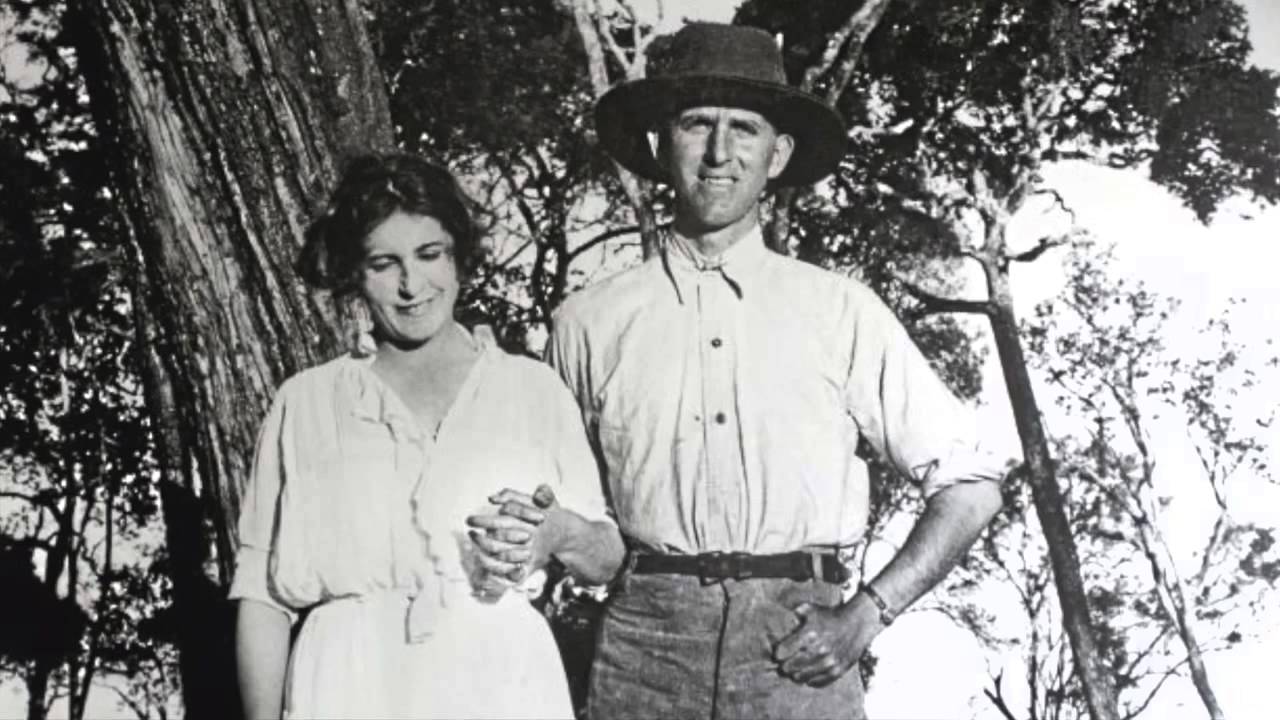
the real Karen and Denys

the real Karen and Denys

Final review: 2/5. Almost a 3, especially considering how much I loved Streep’s performance but in the end a 2 because it was so LONG.

Up next: Murder, My Sweet