#206- Zero for Conduct

Quick recap: 4 boys in a strict boarding school make a plan to attack the adults and bring revolution.

QFVoHpT

Fun (?) fact: Not so much ‘fun’, but ‘inevitable’: immediately after its release, it was banned completely until 1946.

now look what you've done!

now look what you’ve done!

My thoughts: As a teacher, I’ve become used to the various complaints and insults directed at me by kids. Hate homework? I get it, but you still have to do it. I’m making you work too hard and now your hand hurts? got it, don’t care. Eat your shorts? Whatever, Bart Simpson. Children hating school is a fact of life, and movies depicting this is pretty standard. But Zero for Conduct is in its own realm of absurdity and anarchy, and I’m still not quite sure what I watched.

Before you read any further, If…. was directly inspired by Zero for Conduct and although I don’t think they improved on anything, it’s still an interesting companion to this film.

The first scenes of the film were a little underwhelming, since I was expecting full anarchy from the get-go. Instead, the story starts with two boys in a train car, on their way to boarding school. It was kind of like Harry Potter, but without the magic and happiness. The boys start pulling toys out of their jackets to impress each other, like feathers and balloons. It’s silly and made me wonder what counted as ‘bad behavior’ back then, because if this is it, then all those people who say, ‘back in my day, kids didn’t act like they do today’, are quite correct. And really, throughout the entire movie, I didn’t see anything too scandalous from the boys or even from the administration and teachers. In one scene, a couple of boys are roughhousing and the prefect (NOT a Weasley), makes them stand at the foot of the bed for awhile. It was weird, but I wouldn’t call it cruel or abusive. Many of the scenes involved the boys being made to work, which of course they don’t want to do and so they decide to start a war during their school’s Commemoration Day ceremony. I read in many places that the school was very strict and rigid, which I guess was true, but that’s what I thought boarding schools were about. The only thing objectionable I saw was that the boys were made to eat beans everyday, so….probably not worth a battle.

Up yours, children!

Up yours, children!

I guess the confusing part (just like If….) was that I didn’t know who to sympathize with. The boys were annoying and, well…..boyish. There was bathroom humor and smoking and roughhousing, which didn’t endear them to me. The school itself didn’t invoke much sympathy, either. The adults all had something weird going on, like one who did handstands in class and then the president who was a little person. I guess it was just all very weird. And the war itself ended up being all of the boys locking themselves in an attic and refusing to participate, while the four main boys threw random things at the adults. Revolution indeed, children.
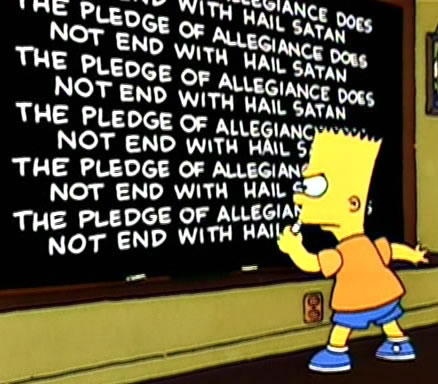
Now, that's some high level tomfoolery I can get behind!

Now, that’s some high level tomfoolery I can get behind!

Final review: 2/5. Did I mention it was a French film? Probably not a surprise, given its absurdity.

Up next: Hoop Dreams
#202- The Leopard

Quick recap: The Prince of Salina comes to terms with his diminishing importance during the late 19th century in Italy.

3/4 of the movie involves the Prince brooding in one fashion or another

3/4 of the movie involves the Prince brooding in one fashion or another

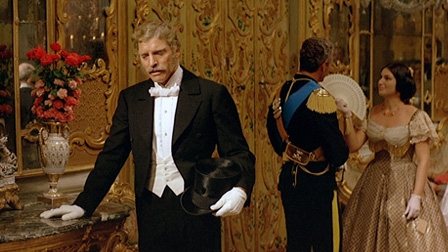
Fun (?) fact: Director Luchino Visconti didn’t like Burt Lancaster in the leading role (maybe because he plays Italian but in real life was Irish? sounds like that would be important). Anyway, Lancaster couldn’t put up with the mistreatment anymore and confronted Visconti, who was so impressed by his passion that they became BFFs 4-ever.

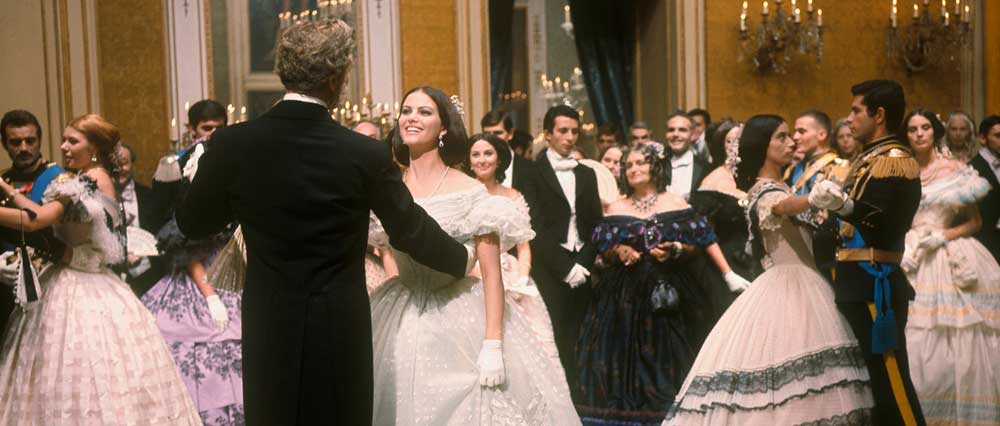
This look is more 'contemplation' than 'brooding', but still top notch.

This look is more ‘contemplation’ than ‘brooding’, but still top notch.

My thoughts: IMDb says that The Leopard is Martin Scorsese’s favorite movie. The 1001 Movies book calls The Leopard ‘a cult classic’. Even Giuseppe Tornatore (director of Cinema Paradiso) counts this film as his favorite, although that doesn’t mean too much to me because I didn’t love his film. Anyway, the point is that, on paper, this movie should’ve been amazing, but the reality is that I was underwhelmed. I feel guilty even admitting that, considering how many people hold this film in such high regard. And then I remember how divisive my review of Who Framed Roger Rabbit? was and realized that if I can make it through that, I can make it through anything.

I usually try and start with something positive here, and in this case, since this is an historical film, I wanted to at least praise the director for bringing to my attention this very famous person. Who, after a quick search on Wikipedia, does not actually exist and is merely a fictional character. So there goes my history lesson. I’m sure at least the time period was true but not the Prince or his family. I felt really dumb after learning this but really, I know next to nothing about Italian history so if this movie was about a pod of aristocratic whales storming Rome, I’d believe it.

It’s hard for me to put a finger on why I disliked The Leopard so much. The acting was great, not magnificent. And the plot was a little tedious at times but not excruciatingly drawn out. If I had to nail down a reason, I think it’s because I just didn’t care about these people. The Prince seemed like a good enough guy and it was sad to see his reign slip away, but at the same time, this is the aristocracy we are talking about, so there isn’t a lot of love there.The character of Tancredi, the uncomfortably beautiful nephew, confused me throughout the movie as I could never figure out where he fit in all of this. He and the Prince had a special relationship but I think he switched sides at some point and that probably wasn’t a good thing. There were many plot points I missed when I watched this because I had trouble grasping their significance.

But I can sympathize a bit with the concept of a fall from glory, especially if it is inevitable. The end scene where the Prince dances with Angelica, the daughter of his enemy, was beautiful and a perfect contrast between what things used to be and where they are currently.

the-leopard-1963

Final review: 2/5. Reading up on Wikipedia helped me understand the movie a little better, but there still isn’t much love there.

Up next: Sunrise, which has made me start humming the score from Fiddler on the Roof.

#196- The Kid Brother

Quick recap: Harold Lloyd Plays Harold Hickory, the youngest brother in a family of sheriffs. He is the very opposite of them-timid and always getting himself into trouble somehow.

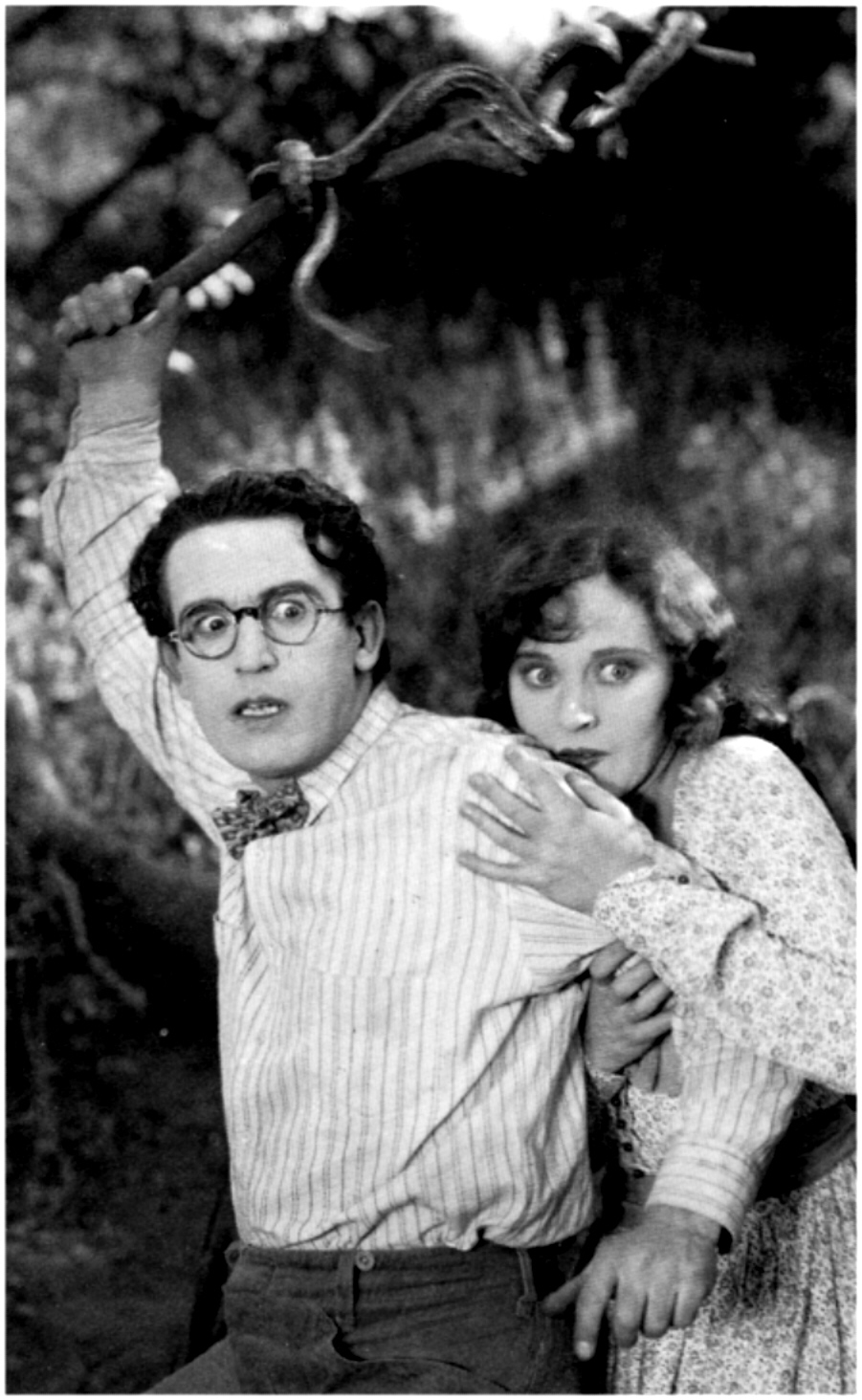
he's also prone to picking up snakes. What shenanigans!

he’s also prone to picking up snakes. What shenanigans!

Fun (?) fact: An elevator was constructed for the camera to follow Harold as he climbed a tree to see the woman he loved.

Considering 8 gagmen were hired for this film (which I didn't even know was a profession) you can probably guess what is going to happen next

Considering 8 gagmen were hired for this film (which I didn’t even know was a profession) you can probably guess what is going to happen next

My thoughts: Apparently Harold Lloyd was a thing back in the day. Charlie Chaplain had the emotions, Buster Keaton had the stunts and this guy had the laughs. Or something like that. Now, I didn’t personally laugh out loud ( or ‘lol’, as the kids are calling it), but I did recognize that humor was being used. I can imagine an audience back in the 20s eating this stuff up, much like audiences today loving mindless humor now and then.

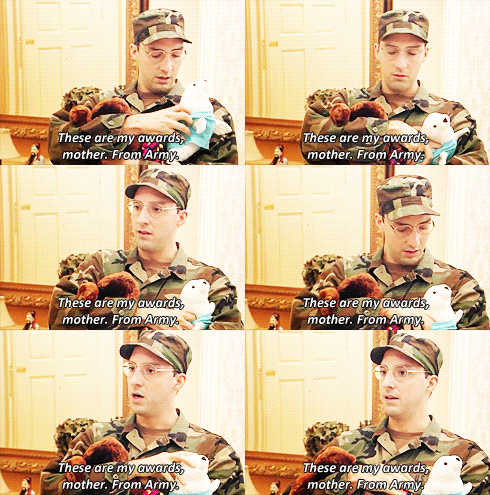
The thing that keeps me from fulling embracing this guy is that he’s like, 40. Ok, 34, at the time of this film, but still. WAY too old to be anyone’s ‘kid brother’. The opening scenes have him picking a fight with the neighbor boy (who’s also, like, 40) and then trying on his father’s sheriff vest (essentially playing dress up). It’s weird, a little creepy, and totally familiar. Instead of my usual indignation over actors playing much younger than they actually are, I realized that his movie might just be the inspiration for one of my favorite characters of all time:

Buster-Bluth-Excitement

Thinking of Harold as the original Buster Bluth made this film a little more enjoyable to watch than when I first started it. The plot was entirely predictable ( he saves the day AND gets the girl. What a country), but I liked seeing exactly how he would do it. The fight scene at the end of the movie was surprisingly complex and although I think a real person stuffed into lifesavers and rolled down the road would most likely die, it was was still fun to watch.

one more for the road

one more for the road

Final review: 2/5. Arrested Development, though is a solid 5 and you should go watch it

Up next: Gun Crazy

#193- Within Our Gates

Quick recap: A newly single woman devotes her time trying to raise money to keep a school open

Alright, let's just jump on in!

Alright, let’s just jump on in!

Fun (?) fact: This film was thought to be lost forever, until it was discovered in the 90s in Spain

My thoughts: A little over three years ago, this was the movie that broke me.I had just started this project and at the time, had decided to watch the films chronologically. This meant that the first 15 or so would be silent films, which I was cool with at first, but it soon managed to drain my entire soul and made me wonder why I I ever thought this would be a good idea. It wasn’t that Within Our Gates was a particularly bad film, but instead what broke me was that it was another film. With a change in direction and plenty of time separating the remaining silent films, I am glad I decided to hold off on this one until I could truly appreciate it for what it is.

What makes Within Our Gates so unique and important is not its plot or special effects, but instead its cast: all African- Americans. You know what movie was also popular around this time? Birth of a Nation, a movie that attempted to prove that black people weren’t ‘true’ people and couldn’t possibly have the intellect of other races. And then this film comes along, and turns that idea completely upside down. The main character is an educated school teacher, who only wants to do good in the world. She comes across a school for African-American children in the south, where it was very difficult to be black (and still is, but that’s another story for another time). The point of the movie is not just to tell a story, but to prove that all races are in fact equal and that all people deserve equal rights. This was in 1920, mind you, way before the Civil Rights movement started gaining momentum.

At times, it’s hard to tell where this movie is going. It felt like director Oscar Micheaux wanted to throw in every single problem African- Americans were facing without really building up much of a plot. Within Our Gates gets bogged down with issues at times, but considering how rare this sort of film was (and still is, honestly), it makes sense that he saw an opportunity to be heard and ran with it.

this_is_theWithinOurGates_original

Final review: 2/5. No, I wouldn’t want to watch it again, but that doesn’t lessen the cultural impact or its worth in any way.

Up next: The Sound of Music